Divide 5 tons of used clothing an hour among 40 sorting stations and each station's share is 125 kilograms. The figure fits neatly into a capacity plan. It does not say how many garments that is, and sorting happens one garment at a time.
A textile sorting conveyor sits between these two units. On the incoming side the plant thinks in tons: material received, hourly output, baled stock. At the station the same material turns into single decisions about what a piece is and which category it belongs to.
In Europe, regulation now feeds this stream. By January 1, 2025, every EU member state had to be collecting textiles separately from other waste. What is collected separately still has to be graded, and grading remains detailed work that is often done by hand.
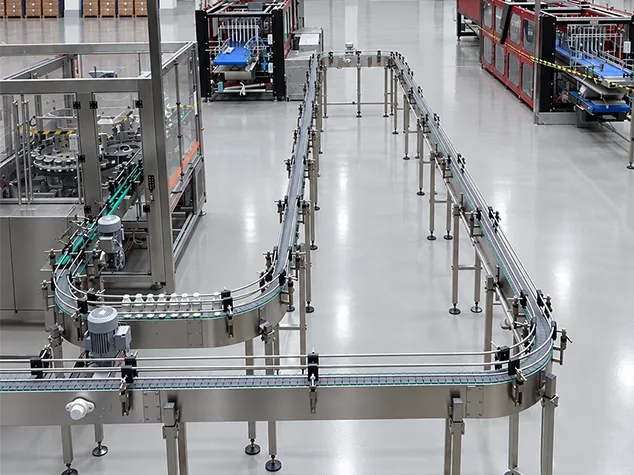
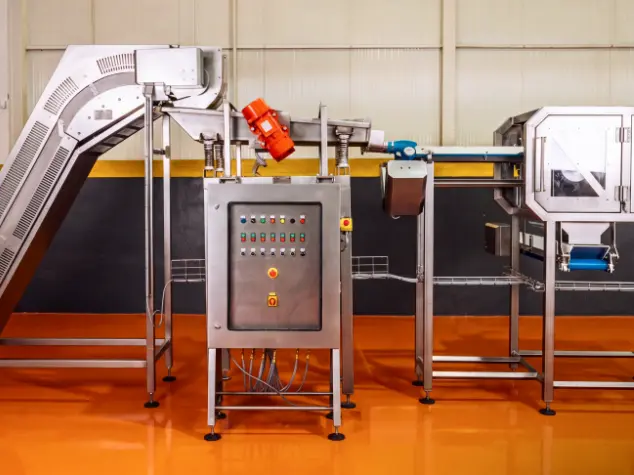
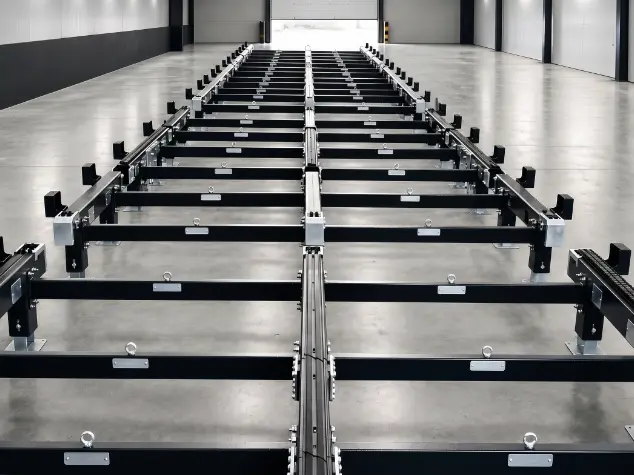
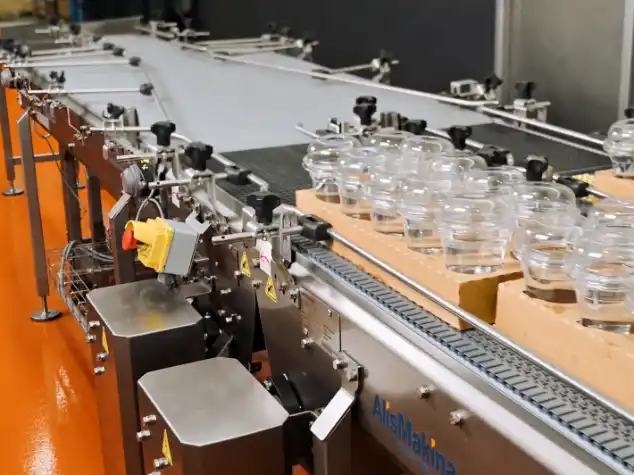
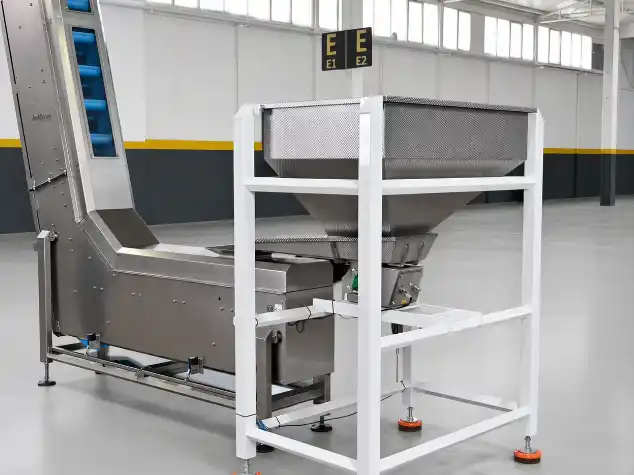
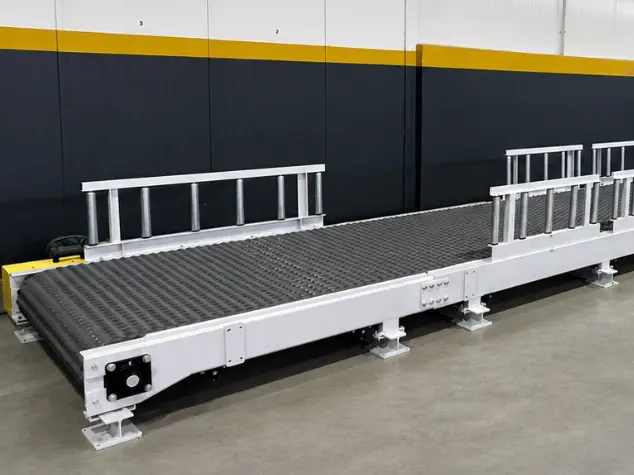
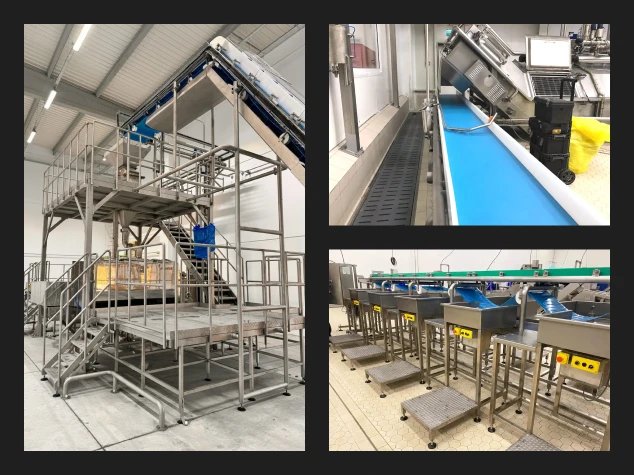
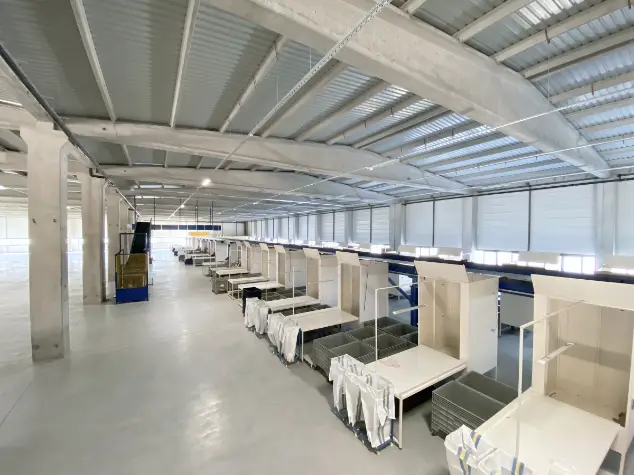
This article follows the material from the collection point to the sorting table. It looks at where weight stops being a useful measure and what loose fabric does to a conveyor. It then compares the main ways to feed the stations and lists the questions that should be answered before a layout is drawn. The project example is a 40-station line that Aliş Makina built for a textile recycling plant, with a capacity of 5 tons per hour.
Same Tonnage, Different Hour
Picture two hours on one line. In the first, most of the material is winter coats; in the second, T-shirts and socks. The scale reports the same tonnage for both. The second hour holds far more pieces, and every one of them needs its own decision.
One European sorting company works with around 60 criteria and says its staff check each garment by hand. Not every plant goes into that much detail. Still, the more criteria a plant applies, the longer each piece stays on the table.
The way clothing arrives adds to the gap. It comes out of bags and containers in clumps, with sleeves and straps wrapped around one another. For the belt, a clump is one object. For the station, it is a small pile that has to be pulled apart before the first decision can be made.
Position along the hall matters as well. When a single belt passes 40 stations in a row, whatever the early stations take never reaches the later ones. If the feed is heavy at one moment and thin the next, that wave travels down the hall and each station meets it in turn.
The Cost of Planning in the Wrong Unit
The first cost shows up in the schedule. A shift heavy in coats can meet its tonnage target. A shift full of light garments can miss it with the same crew and the same belt speed. No machine has failed, so the maintenance record offers no explanation. The plant sees an unpredictable line where there is really an unpredictable piece count.
The second cost appears at the table: as the feed becomes irregular, cycle times grow longer and sorting accuracy drops. A wearable garment that ends up in the recycling fraction is no longer available for reuse. Finding it later means sorting the same material again.
The third cost reaches delivery, because where sorted textiles are sold by category, one short category can hold up a shipment. Total tonnage may still be on target.
The fourth cost falls on maintenance. A tangled clump that catches at a transfer cuts off supply to the stations downstream, and clearing it by hand takes time. Textile fiber also collects around rollers and under the belt. On a 40-station line, every closed side panel adds a step to each cleaning round.
What a Scale Knows and What Fabric Does
Two things about the clothing can be measured on the belt before anyone touches it. Weighing shows how many kilograms pass a point. Occupancy monitoring shows how full the belt is there.
The two do not always agree, and the disagreement is useful. Bulky, light material fills the belt while the scale shows little. Dense material such as denim weighs a lot and leaves much of the belt empty. Read together, the two values say more about the coming workload than either one alone. Neither of them counts pieces, so the piece count stays an estimate that the plant has to check against its own material.
The 40-station line uses both. Its weighing module comes before the first operator station and reports to the automation in real time. Sensors at several points watch how full the line is, and the belt speed follows that reading. For the plant, this means the feed responds to the material coming through at that moment instead of holding one setting all shift.
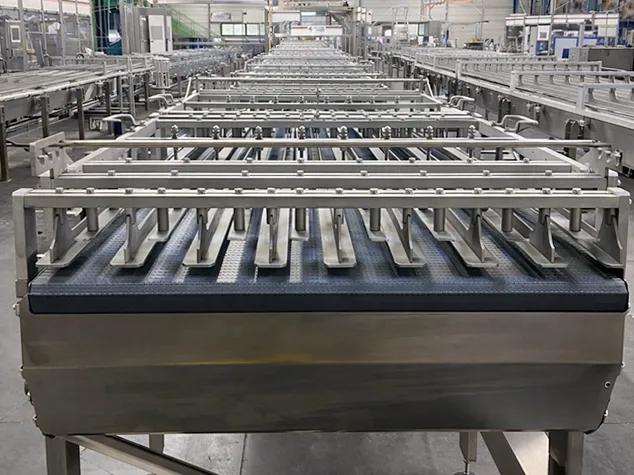
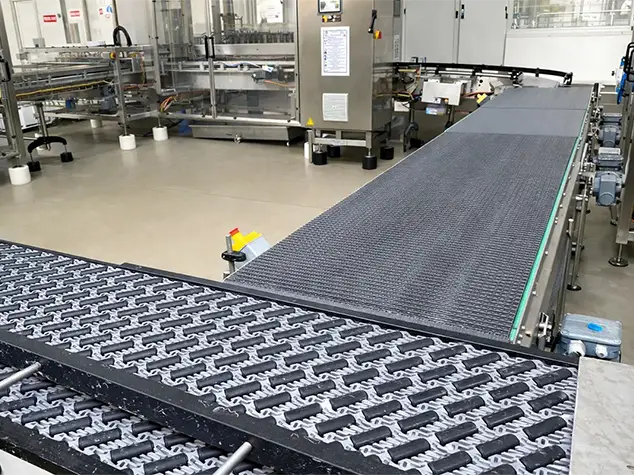
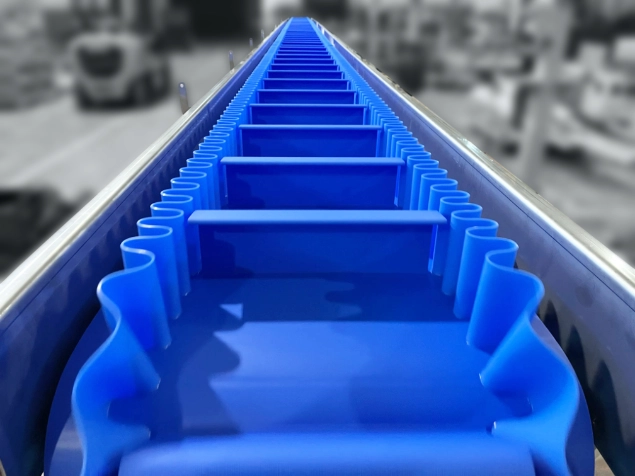
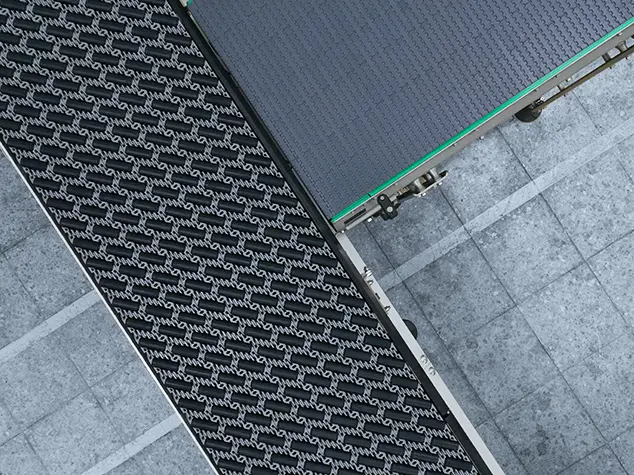
Fabric itself decides the rest. A garment has no rigid base, and a flat continuous PVC (polyvinyl chloride) or PU (polyurethane) belt carries it without letting it slip. The spacing created at the infeed therefore survives until the table. A continuous surface also offers fewer openings where a strap or drawstring could catch.
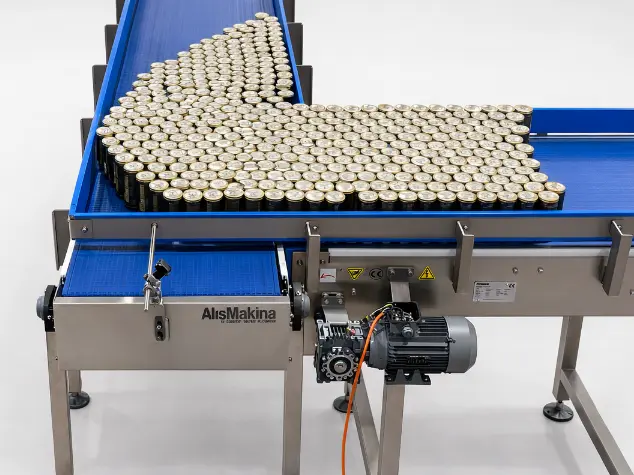
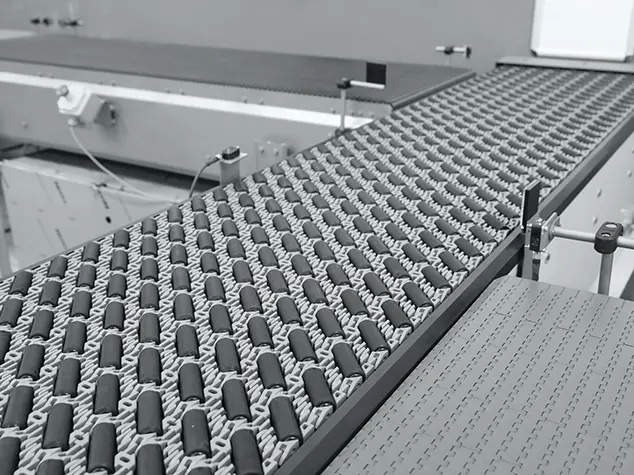
Transfers are the weak point. Where one conveyor hands over to the next, a trailing sleeve can drop into the gap and be drawn down by the returning belt. Side guides carry a similar risk: a bolt head or an exposed edge is enough to hold a loose end while the belt keeps pulling. Each snag interrupts the flow to every station after it, so a layout with fewer transfers is easier to keep running.
Layout Options and Their Trade-Offs
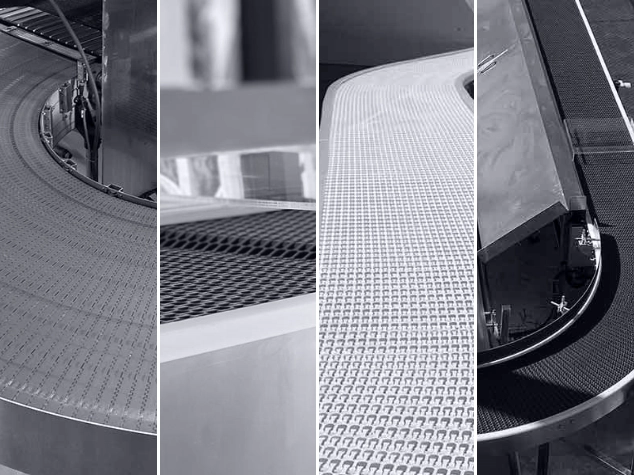
One long belt past every station: This is the simplest arrangement, with few transfers and few drives to look after. Its limit is that stations work in series. The last ones depend on what the first ones leave, so feed regularity matters more here than in any other layout.
Parallel branches: The flow is divided among several shorter belts, each serving part of the hall. Every branch carries a lighter load and a stop in one branch does not have to stop the others. In return, the split has to be even, the plant needs more floor space and each branch adds a transfer.
Rough sorting before fine sorting: A first pass removes obvious categories, and the second pass handles what needs a closer look. Sorting centers that first separate garments by reuse potential follow this logic. Fine sorting then works with a more uniform flow. The price is that part of the material is handled twice.
A return loop: Unsorted material is carried back to the start, so no piece slips off the line ungraded. If it crosses the scale again, however, the recorded tonnage grows. The loop also fills when the stations fall behind, which is why it needs an upper bound.
Speed that follows the load: Belt speed is tied to how full the line is rather than fixed at start-up. Short swings even out before they reach the tables. This adds no capacity, though. If the stations cannot keep up for an hour, a slower belt only moves the queue back to the infeed.
These options can be combined, and the right combination depends on the material, the floor plan and the number of categories.
Seven Questions Before the Layout
What does the incoming material look like? Loose clothing, filled bags and opened bales enter a line in very different ways. Seasonal change matters too, because a summer mix and a winter mix of the same weight bring different piece counts.
What is the target in both units? Weighing and counting a few representative bags turns tons per hour into pieces per hour. The second number is the one that sets how many stations are needed.
How many categories leave the table? Each category needs an exit, whether a container, a chute or a take-away belt. Everything that enters the hall also has to leave it, so the outgoing side needs its own space on the plan.
What can be reached from the station? Belt width and height decide whether a piece on the far side is within reach. A wide belt carries more but may leave its far half unused.
How much length does the hall offer? A weighing section needs its own straight run before the first table. Columns and doors then decide whether the rest of the line runs straight, turns or splits.
Where will people clean and maintain it? Lint gathers where nobody can reach, so each section should leave the underside of the belt visible and within reach for cleaning. The stainless steel and aluminum frame of the 40-station line makes maintenance access easier.
Which signal is allowed to change the speed? Weight, occupancy or both can influence the feed. The upper and lower limits should be agreed before commissioning. A belt that changes pace too sharply disturbs the tables it is meant to help.
The Aliş Makina System Perspective
A better scale or a faster belt does not solve this kind of problem alone. The feed has to act on the number the scale produces, and the stations have to keep up with the material the belt delivers.
Aliş Makina treats the path from collection to the table as one flow. On the project described here, we put weighing first and shaped the conveyor geometry around a 40-station layout. The belts we chose keep garments from slipping. We settled geometry, surface and flow functions together, since a change in one of them affects the other two.
The approach has limits that belong in the plan. A conveyor does not decide a category, and it cannot raise the number of pieces that all stations together can judge in an hour. What design can do is keep those stations supplied evenly, so the capacity the plant has paid for is also the capacity it uses. Engineering solutions that improve efficiency start from that kind of design decision.
FAQ
What is a textile sorting conveyor?
It is the conveyor system that carries collected clothing to the stations where it is graded by category. It usually covers infeed, weighing, distribution along the stations and the removal of sorted material. Its main task is to deliver an even supply, because the sorting itself takes place at the table. The belt, the transfers and the feed control all serve that purpose.
How many sorting stations does a textile line need?
Tonnage alone cannot answer this. First convert the hourly target into pieces by weighing and counting representative samples. Then compare it with the number of pieces one station can judge in an hour. The result changes with the season and with how many categories are sorted. Repeating the count in two seasons gives a safer figure than a single sample.
Why place weighing before the sorting stations?
Weighing at the start gives the line information while it can still act on it. If the feed changes, speed and distribution can be adjusted before the material arrives at the tables. Weighing at the end only records what has already happened. Both can be useful, but only the first one lets the belt slow down before a pile forms rather than after.
Which conveyor belt suits used clothing?
Flat, continuous belts such as PVC or PU suit this work. Soft garments lie on them without slipping and have few openings to catch in. The surface should grip enough to hold a piece, yet release it easily when someone lifts it. Incline sections may need a different surface, so each section should be checked separately.
Can a slower belt fix overloaded stations?
It can smooth out short peaks. If material arrives faster than the stations can judge it for a longer period, slowing the belt shifts the pile to the infeed. The lasting answer is then more stations, a pre-sorting step or a lower intake. Belt speed is a balancing tool and cannot create capacity.
How do you stop garments from catching at conveyor transfers?
Reduce the number of transfers first. Where one is needed, keep the gap narrow, match belt speeds and avoid a step up in the direction of travel. Side guides should have smooth inner faces without bolt heads or open ends. Access for quick clearing is still necessary, because loose straps and drawstrings will test every gap.
Conclusion
Tonnage is the right unit for a contract and for a truck. A sorting table needs a second unit, and the conveyor has to be designed around both.
That takes several decisions made together. Early weighing and occupancy monitoring describe the load, while a flat surface and few transfers keep the flow intact. The feed layout then decides how fairly that flow is divided.
The result is a line that keeps its balance when the mix on the belt changes with the season. The capacity plan then becomes something the plant can check at the table.